
When researching microneedling before and after images online, it is easy to encounter dramatic claims. However, it is crucial to understand that genuine, sustainable skin improvement is a gradual process, not an instantaneous event. The final outcome is the result of a cumulative process, shaped by an individual's unique skin characteristics, the practitioner's expertise, and adherence to a professional treatment plan.
This guide provides a medically grounded perspective on what to realistically expect from microneedling treatments in Switzerland.
How Microneedling Works: The Science of Skin Regeneration
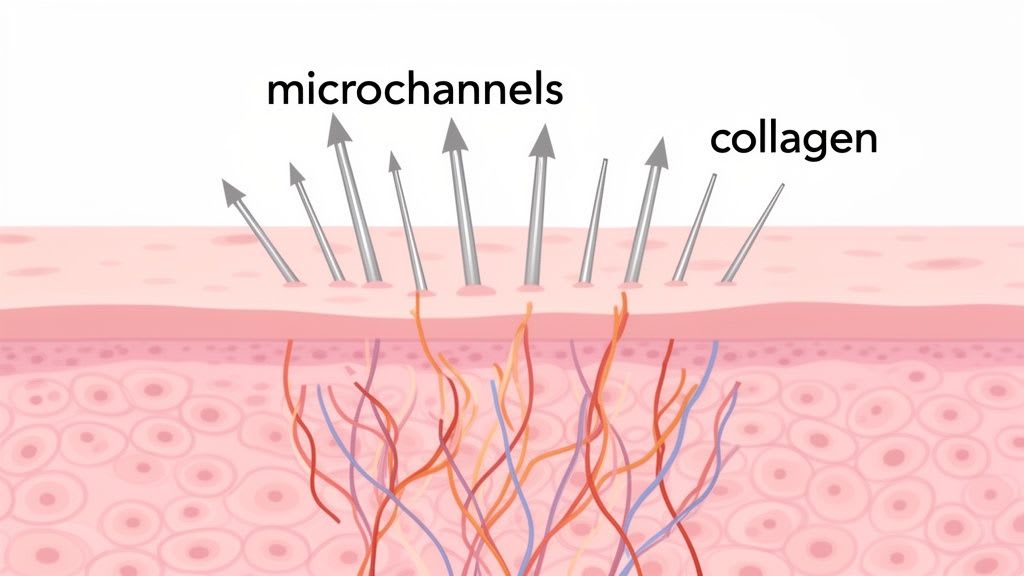
Microneedling, medically known as collagen induction therapy, is a procedure designed to stimulate the skin's natural repair mechanisms. It is not about causing damage, but rather about initiating a controlled healing response.
During a professional treatment, a specialised medical device with sterile, fine needles creates thousands of precise micro-perforations in the skin's top layers. The body interprets these micro-channels as controlled injuries, which triggers a natural cascade of healing and regeneration. This process unfolds in distinct phases over several weeks, leading to a gradual rebuilding of the skin's structure from within. The visible improvements in skin texture and firmness are a direct result of this deep cellular renewal.
What Influences Microneedling Results?
The final outcome of a microneedling treatment series is influenced by several critical factors. Understanding these variables helps in setting realistic expectations and highlights the importance of professional medical guidance.
Skin Condition and Age: An individual's baseline skin health, age, and collagen levels significantly affect the response to treatment. Younger skin may respond more quickly, while mature skin can still achieve notable improvements, often requiring a more extended series of sessions.
Treatment Depth and Technique: The precise depth of the needles and the technique used are critical. A qualified practitioner in Switzerland will adjust these parameters based on the specific skin area and the condition being treated (e.g., fine lines versus acne scars) to ensure both safety and efficacy.
Number of Sessions: Microneedling is not a single-session solution. While initial improvements in skin radiance may be visible after one treatment, significant and lasting changes in texture, scars, or fine lines typically require a series of 3 to 6 sessions, spaced 4-6 weeks apart.
Practitioner Expertise: The skill and experience of the medical professional performing the treatment are paramount. Proper technique ensures the skin is stimulated effectively without causing unnecessary trauma, a standard upheld in Swiss clinics.
Post-Treatment Care: Adherence to aftercare instructions is crucial for optimal healing and results. This includes using recommended skincare products, avoiding sun exposure, and applying high-SPF sunscreen diligently to protect the regenerating skin.
Typical Microneedling Timeline: From Treatment to Results
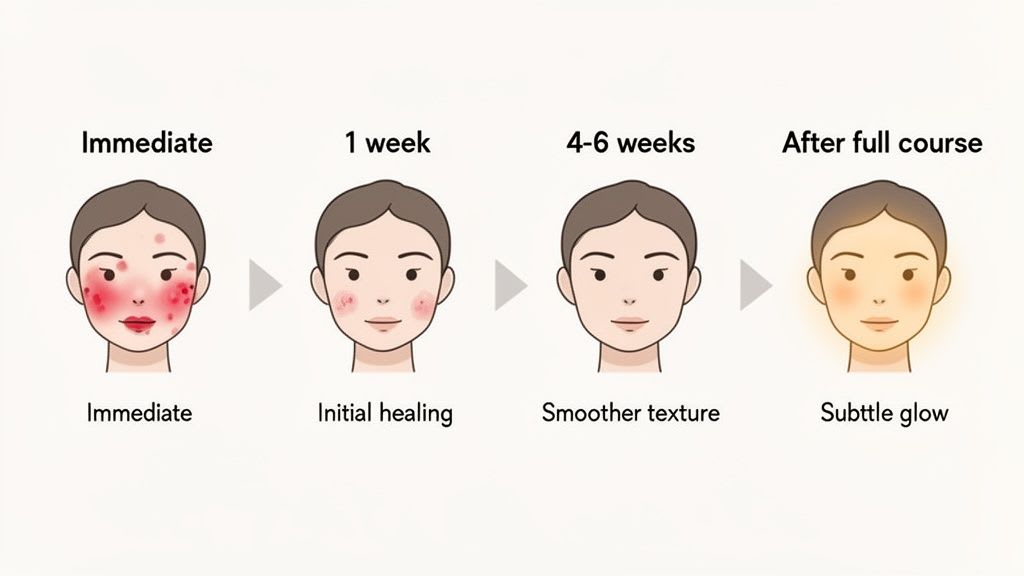
The visual improvements from microneedling develop gradually as the skin undergoes its natural regeneration cycle. Understanding this timeline is key to managing expectations.
Immediately After Treatment
Directly following the procedure, the skin will typically appear red and feel warm, similar to a mild sunburn. Some minor swelling is also common. This is an expected inflammatory response and indicates that the body's healing process has been successfully initiated.
1–2 Weeks Post-Treatment
The initial redness and swelling usually subside within 24 to 72 hours. The skin may feel dry or exhibit some light flaking as the outermost layer renews itself. During this period, it is essential to follow the aftercare protocol provided by the clinic, focusing on hydration and sun protection.
After Multiple Sessions (1–6 Months)
The most significant and lasting results become apparent after a full course of treatments. The "after" in a microneedling before and after photograph typically represents the cumulative outcome of several sessions over many months. As new collagen and elastin form and mature, improvements in skin texture, firmness, and the appearance of fine lines or scars become progressively more visible. Peak results are often observed 3 to 6 months after the final session.
What Microneedling Can and Cannot Do
Microneedling is a versatile treatment for improving skin quality, but it has specific applications and limitations. A clear understanding of its capabilities is essential for patient satisfaction.
Conditions That May Improve
Microneedling is most effective for concerns related to skin texture and superficial imperfections. It can lead to noticeable improvements in:
Fine Lines: Increased collagen can help plump the skin, reducing the visibility of early signs of ageing.
Mild to Moderate Atrophic Scars (e.g., Acne Scars): The treatment can help remodel scar tissue, leading to a smoother skin surface. For more information, you can consult our guide on professional scar treatment.
Uneven Skin Texture: By promoting regeneration, microneedling can refine the skin’s surface for a smoother feel.
Enlarged Pores: Increased skin firmness around pores can make them appear smaller.
Limitations of the Treatment
It is important to recognise that microneedling is not a substitute for more invasive surgical or injectable procedures. It is generally not the primary treatment for:
Deep Wrinkles or Folds: These often require volume restoration with dermal fillers.
Significant Skin Laxity (Sagging): Advanced sagging typically requires surgical intervention, such as a facelift, for significant tightening.
Deep, "Ice Pick" Scars: These may require more targeted treatments.
An ethical practitioner in Switzerland will conduct a thorough assessment and explain which treatment is most appropriate for a patient's specific concerns and goals.
Safety, Side Effects, and Downtime
When performed by a qualified medical professional in a clinical setting, microneedling is a safe procedure with a well-established profile.
Common, temporary side effects include redness, swelling, and mild sensitivity, which typically resolve within a few days. The risk of more serious complications, such as infection or scarring, is significantly reduced when the procedure is performed using sterile, single-use needle cartridges and proper technique, which are standard practice in Swiss medical facilities. Downtime is generally minimal, with most patients able to resume normal activities within 24 to 48 hours, provided they adhere to post-treatment care instructions.
Interpreting "Before and After" Images Critically
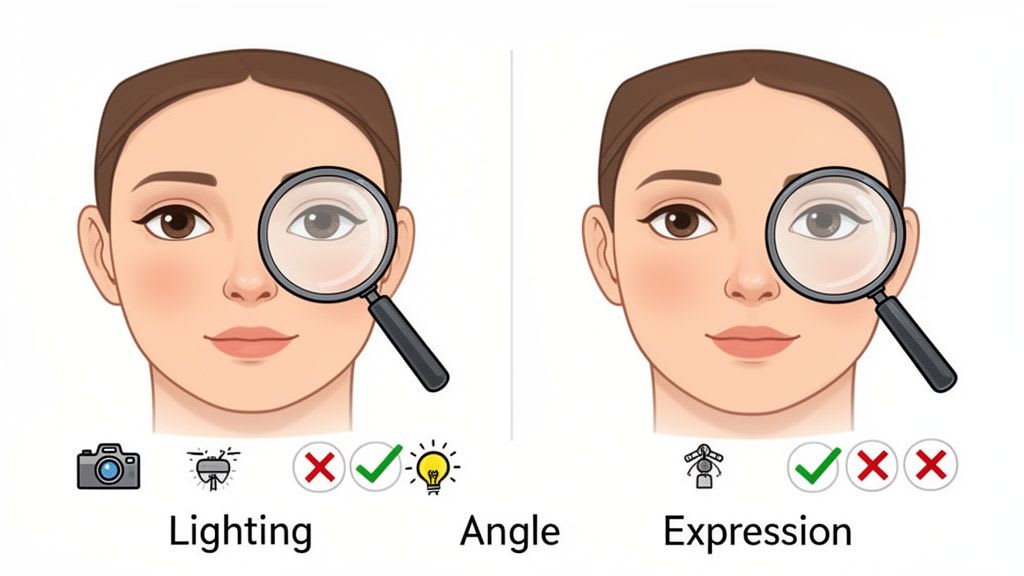
While helpful, online microneedling before after images should be viewed with a critical eye. Photographic variables can significantly influence the perceived outcome. When evaluating images, consider the following:
Lighting and Angle: Differences in lighting can create shadows that either accentuate or hide wrinkles and texture. The angle of the face should be identical in both photos to provide a fair comparison.
Timing Between Photos: Legitimate results are achieved over months. Reputable clinics will state the time elapsed between the "before" and "after" photos, reflecting a full course of treatment.
* Unverified Images: Be cautious of images from unverified sources. The most reliable photos are those provided during a professional consultation, where a practitioner can explain the context of the results shown.
Comparing photography standards for other treatments, like <strong>Profhilo before and after</strong>, can also provide insight into what constitutes reliable medical documentation.
How Patients Can Make an Informed Decision
Making an informed decision about microneedling starts with education and realistic expectations. Rather than relying solely on promotional images, patients should seek out medically verified information. Platforms that provide structured, neutral directories of qualified practitioners in Switzerland can help patients connect with clinics that prioritise patient safety and education.
The cornerstone of a successful treatment is a thorough consultation with a medical professional who can assess your specific skin concerns, explain the potential outcomes, and develop a personalised treatment plan.
Conclusion: A Gradual Path to Skin Improvement
The results from microneedling are subtle, cumulative, and highly dependent on individual factors. The true value of the treatment lies in its ability to harness the body's own regenerative power to improve skin health and texture over time. By approaching the "microneedling before and after" journey with realistic expectations and seeking treatment from qualified professionals, patients in Switzerland can make informed decisions that align with their aesthetic goals. A consultation with an experienced practitioner is the essential first step to determine if this treatment is right for you.
Explore More
This article is for informational purposes only and does not replace professional medical advice.