
Those investigating Morpheus8 Erfahrungen often adopt the diligence seen in careful patients in Switzerland before booking treatments for the face or neck. You've seen polished clinic photos, read broad claims about “skin tightening”, and now want the practical version. What does it feel like, how long do results take, what does recovery look like in real life, and what will it really cost once the full treatment plan is clear?
That search term often means something more specific than simple curiosity. It usually means you're trying to separate marketing from treatment reality. In Zurich, Geneva, Basel, Lausanne, Bern, and other Swiss cities, patients often compare Morpheus8 with standard microneedling, RF skin tightening, injectables, or surgery. They also want to know whether the provider is medically qualified, whether the downtime is manageable for work and social life, and whether the quoted price covers one session or the series needed for a meaningful outcome.
Swiss patients also tend to ask sharper questions than generic websites answer. They want to know if a result will look natural, whether darker or more reactive skin can be treated safely, whether the neck is worth treating together with the face, and why one clinic's price list looks lower than another's.
This guide answers those questions in a Swiss context. It treats Morpheus8 as a medical aesthetic procedure, not a beauty trend. You'll find a clear explanation of how the technology works, what a typical session feels like, what timelines are realistic, how recovery can vary in Swiss conditions, what prices in CHF look like, and how to assess a clinic before you commit.
Your Search for Morpheus8 Erfahrungen Explained
A typical patient journey starts the same way. Someone notices that makeup sits differently along the cheeks, the jawline looks softer in photographs, or acne scars still catch the light despite good skincare. They search Morpheus8 Erfahrungen because they don't want a slogan. They want a grounded sense of what happens before, during, and after treatment.
In practice, that search usually bundles together five separate questions:
- Is it worth doing at all for texture, fine lines, early laxity, scars, or a crepey neck
- What does it feel like once the numbing cream wears off and the handpiece starts moving
- How many sessions are realistic rather than advertised
- What does recovery look like if you live and work in Switzerland
- How do I choose a proper clinic instead of the loudest one online
What patients usually mean by Erfahrungen
Many readers aren't looking for dramatic before-and-after stories. They're trying to judge the trade-offs. Morpheus8 can be useful when the goal is gradual tightening, texture improvement, and collagen remodelling without surgery. It usually isn't the right fit for someone expecting a facelift-level lift in one visit.
Practical rule: The better your starting skin quality and the more subtle your goal, the more Morpheus8 tends to make sense. The more advanced the laxity, the more important it is to discuss alternatives honestly.
Swiss patients also tend to care about predictability. They want a consultation that covers candidacy, contraindications, expected downtime, and total cost, not just a starting price.
Why Swiss context matters
The treatment itself may be global, but the decision process isn't. In Switzerland, patients often expect stronger medical oversight, clearer consent, and more structured consultation standards. That matters with a device treatment that combines needling and radiofrequency energy.
The rest of the guide is built around that reality. Not hype. Not blanket promises. Just what tends to work, what doesn't, and what you should verify before booking.
What Is Morpheus8 and How Does It Rejuvenate Skin
Morpheus8 combines two mechanisms in one treatment. First, very fine needles create controlled micro-injuries in the skin. Second, radiofrequency energy is delivered through those needles into deeper tissue. The practical aim is to trigger remodelling below the surface while also improving the skin's outer texture.
A useful way to think about it is lawn aeration. If you only work on the very top surface, improvement stays superficial. If you create controlled channels deeper down and stimulate repair where support structures sit, the response is stronger and more structural.
What the device is doing in the skin
The technical depth matters here. The gold-plated needles can penetrate up to 4 millimetres deep, while the radiofrequency heat pulses can reach a warming depth of up to 6 millimetres, enabling non-surgical tissue tightening, according to Hey Pretty's Morpheus8 deep-needling review.
That combination is why Morpheus8 is usually discussed separately from classic surface-level needling. It's not just creating channels. It's creating channels and delivering heat into the tissue layers where collagen remodelling and tightening can be stimulated more meaningfully.
For readers comparing it with simpler options, BeautyGuide's overview of microneedling treatments in Switzerland is useful because it helps clarify where standard microneedling ends and RF microneedling begins.
What it can target well
In the right patient, Morpheus8 is often considered for:
- Fine lines and early wrinkles
- Textural irregularity such as enlarged pores or uneven skin surface
- Acne or depressed scars
- Mild to moderate laxity along the lower face or neck
- Subdermal fat remodelling in selected areas
It's also used across different skin types and tones when performed properly. That's one reason it remains popular in mixed patient populations across Swiss cities.
Good results usually come from matching the energy, depth, and treatment area to the actual concern. A jawline, eyelid area, cheek scar, and neck don't all need the same settings.
Where patients can misjudge the treatment
One common misunderstanding is assuming every concern responds equally well. It doesn't. Morpheus8 tends to perform best when the issue is texture plus mild tightening, not when there is heavy excess skin or significant volume loss. If the main problem is deflation rather than laxity, fillers or biostimulatory treatments may be part of a more suitable plan.
Patients also often ask whether collagen supplements can replace device-based collagen stimulation. They can't do the same job. Still, if you're looking at the broader topic of collagen support, this evidence-based overview on collagen powder dosage for skin is a sensible companion read because it explains where oral support may fit and where it won't.
The Patient Experience A Step by Step Journey
Most Swiss patients want the unembellished version of the day itself. A typical appointment starts calmly, not dramatically. You arrive, photographs may be taken, the treatment area is cleansed, and the plan discussed one more time so the practitioner can confirm the exact zones and intensity.
Before the device starts
The first part is preparation. A topical anaesthetic cream is usually applied, then left on long enough to make the session more tolerable. This increased comfort allows the practitioner to treat properly rather than rushing through sensitive areas.
When patients describe the sensation, the most consistent wording is practical rather than emotional. Patients in Switzerland generally report that the treatment is well tolerated and often describe it as feeling like small, warm stiches. Topical anaesthetic creams are standard, and the procedure is described as a non-operative alternative to surgery for skin tightening in this Swiss-focused patient explainer.
During the session
Once treatment begins, the handpiece is stamped methodically across the planned area. You don't feel one single continuous pass. You feel repeated zones of heat and pressure, more noticeably where skin is thinner or closer to bone.
The experience varies by area:
- Cheeks and lower face often feel easier to tolerate
- Jawline and forehead can feel sharper
- Neck and around the eyes may require more careful pacing
A good practitioner doesn't chase intensity for its own sake. The goal is an effective treatment you can recover from predictably, not a heroic session that leaves you inflamed and unhappy.
A careful session often feels more controlled than patients expected. That usually matters more than whether it felt “easy”.
Immediately afterwards
Right after treatment, the skin usually looks flushed and can feel hot, tight, or slightly swollen. Some people compare it to sun exposure plus a needled texture. Tiny grid-like marks or pinpoint roughness may appear early and then settle.
This is the stage where expectations matter most. If someone expected to leave looking polished, Morpheus8 can be a surprise. If they expected a short but visible recovery phase, it usually feels manageable.
Patients who like reading actual testimonial language often compare several sources before deciding. It can help to review a structured library such as Artful Surgeon testimonials, not as proof of universal outcomes, but as a reminder that treatment experience is best judged by patterns rather than one enthusiastic review.
The consultation questions that shape the experience
The quality of the session is often decided before the machine touches the skin. Ask:
- Who performs the treatment and who sets the parameters.
- How the treatment depth is chosen for your specific area.
- What the expected first week looks like for your skin type and season.
- What the plan is if redness lasts longer than expected.
- Whether your concern is a Morpheus8 problem or better treated another way.
Those questions usually reveal more than glossy before-and-after galleries.
Visible Results and Realistic Timelines
Most disappointment with Morpheus8 comes from timing, not from total failure. Patients often look too early, decide nothing happened, and miss the fact that this treatment relies on a biological process that unfolds over months rather than days.
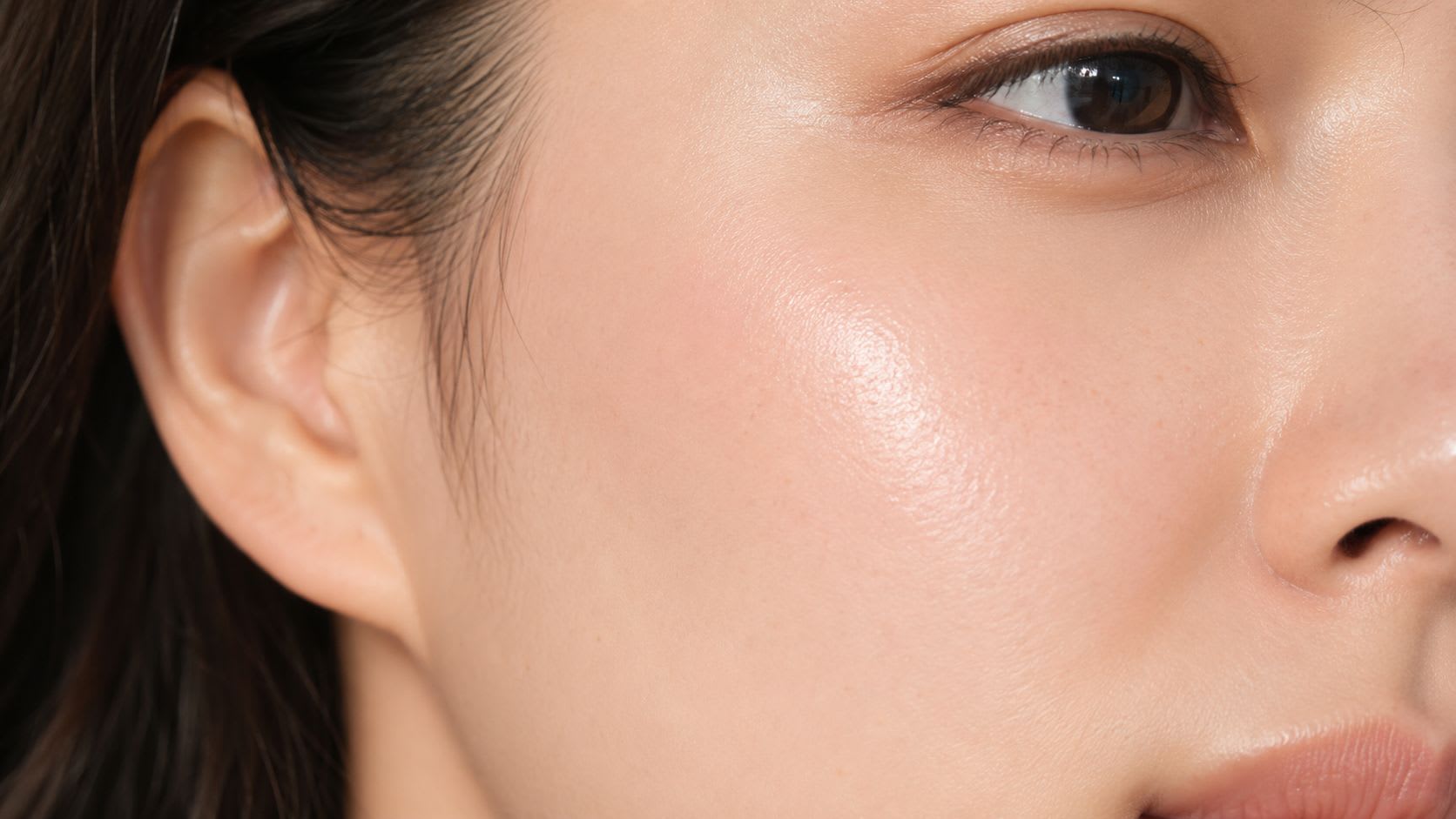
For optimal results, a series of 3 sessions is typically recommended. The first improvements may be visible after 1 to 2 weeks, but the full effect develops over 3 to 6 months as collagen and elastin production is stimulated, according to Dr. Hashagen's Morpheus8 treatment guidance.
What you may notice first
Early changes are often subtle. Skin may look a little smoother, pores may seem less obvious, and the surface can reflect light more evenly. That's not yet the main tightening effect. It's the beginning of visible change.
By this stage, some patients think one session is enough. Sometimes that's true for very mild concerns. More often, stopping early means stopping before the remodelling process has had enough cumulative stimulus.
A practical timeline
| Timepoint | What patients often notice |
|---|---|
| Week 1 | Redness settles, skin feels tighter or drier, texture starts to look cleaner |
| Weeks 1 to 2 | First visible improvements can appear, usually in smoothness and surface quality |
| After the series | The skin has had repeated stimulation rather than a one-off trigger |
| Months 3 to 6 | The fuller effect becomes more visible as remodelling develops |
This slower timeline is one reason Morpheus8 can look natural. The face doesn't suddenly change. It improves progressively.
What lasts and what doesn't
Results don't freeze ageing. They improve skin quality and firmness for a period, then time continues. In moderate laxity, results are often discussed in terms of many months rather than permanence. Some patients maintain improvement longer than others, especially when skin quality, sun protection, and lifestyle are favourable.
The treatment can move skin in a better direction. It doesn't stop the direction of ageing itself.
For readers comparing options, BeautyGuide's page on RF skin tightening treatments helps place Morpheus8 in the wider non-surgical tightening category.
Where expectations need adjustment
Morpheus8 can improve skin quality, but it won't replace surgical lifting when tissue descent is pronounced. It also won't replace filler where volume loss is the dominant issue. Patients get the best experience when they judge it for what it does well: gradual tightening, textural refinement, scar softening, and selected contour improvement.
Recovery Downtime and Potential Side Effects
Recovery is usually short, but it isn't identical for every patient or every season. That matters in Switzerland, where winter dryness, indoor heating, and strong mountain or high-altitude UV exposure can make aftercare more important than many generic articles suggest.
Swiss clinical data from 2024 to 2025 showed 22% of patients experienced prolonged redness in winter months, even though global guidance often suggests a 48-hour recovery, according to Cosmetique Totale's Morpheus8 recovery discussion.
Day 1
Expect the skin to look red and feel warm. Mild swelling is common. Tiny pinpoint marks or a sandpapery texture can appear, especially if the treatment was more intensive.
What helps on the first day:
- Hands off the skin unless applying approved aftercare
- Gentle cleansing only if your clinic advises it that evening
- Strict sun avoidance because freshly treated skin is more reactive
Days 2 and 3
For many patients, this is the phase where redness eases but roughness becomes more noticeable. Small crusts, minor swelling, or a dry, tight feel can be normal. You may look socially presentable, but not everyone will want a close-up dinner under bright lighting.
Call the clinic if you notice:
- Pain that feels out of proportion
- Unexpected spreading irritation
- A reaction that worries you rather than looks untidy
Week 1
By the end of the first week, many patients feel the visible recovery phase is largely over. The skin often looks calmer and smoother, although residual pinkness can persist in reactive complexions or after winter treatment.
In Swiss practice, aftercare advice should change with the season. A January recovery plan in Zurich shouldn't be identical to one for August in Lugano.
The side effects patients should know about
Common short-term effects include redness, swelling, and small pinpoint crusting. Minor bruising can also happen. These reactions are usually temporary and are part of the reason Morpheus8 is considered minimally invasive rather than non-invasive.
A separate safety point matters more than many patients realise. Because the treatment uses radiofrequency energy, individuals with heart or brain pacemakers are not suitable candidates. That should be checked clearly during consultation, not mentioned in passing.
Morpheus8 Cost in Switzerland A 2026 Price Guide
Price is one of the main reasons people search for Morpheus8 Erfahrungen instead of just “Morpheus8”. They want to know what clinics charge in Switzerland and whether the quote reflects one appointment or the full plan needed for a visible result.
In Switzerland, Morpheus8 pricing is regional. A face treatment can be around CHF 650 to 750, the neck CHF 600, and a smaller area like the eyes can start at CHF 400. A full treatment plan typically involves 1 to 5 sessions, according to Skin Aesthetics Switzerland.
Morpheus8 price ranges in Switzerland
| Treatment Area | Estimated Price Range (CHF) |
|---|---|
| Eyes | from CHF 400 |
| Neck | around CHF 600 |
| Face | around CHF 650 to 750 |
| Face and neck | around CHF 750 |
These are per-session figures, not automatic totals.
Why single-session pricing can mislead
Many patients underestimate the investment. A clinic may advertise an attractive starting price, but your meaningful comparison should be the total treatment cost, not the lowest per-session entry point.
That total depends on several variables:
- Treatment area because larger or more complex areas take more work
- Number of sessions because some patients need a series, not a one-off treatment
- Depth and intensity strategy because protocols differ by indication
- Provider level because medically led clinics may structure treatment and follow-up differently
A small eye-area session and a full face-and-neck remodelling plan are not comparable, even if both are called Morpheus8.
How to budget more realistically
When you ask for a quote, ask for it in treatment-plan language. That means:
- Price per session
- Expected number of sessions for your concern
- What follow-up is included
- Whether a maintenance treatment is likely later
Patients often feel “surprised” by cost because they were given an entry price, not a treatment pathway. The more precise the consultation, the less likely that is.
A low starting price can still be a high total cost if the treatment plan is vague.
How to Choose a Verified Morpheus8 Clinic in Switzerland
The machine matters. The practitioner matters more. Morpheus8 is not a treatment where the device alone guarantees a good outcome. Depth selection, energy settings, anatomical judgement, contraindication screening, and management of side effects all depend on the person using it.
That's why Swiss patients should evaluate clinics medically first and aesthetically second.
What to verify before booking
Start with credentials, not Instagram. In Switzerland, one of the most practical checks is whether the treating physician can be verified in MedReg, the official register of medical professions. If an FMH specialisation is listed, that adds useful context about formal Swiss specialist recognition.
When comparing clinics, look for:
- Named medical responsibility rather than anonymous team language
- Clear consultation standards with contraindication review and aftercare discussion
- Treatment planning by concern instead of one package for everyone
- Realistic language about limits, downtime, and alternatives
If you're comparing options across major cities, a structured directory of Swiss aesthetic clinics can help narrow the field before you contact anyone.
Questions worth asking in consultation
Not all good questions are about price. Some of the best ones test whether the clinic thinks like a medical practice.
Ask things like:
- Who decides the settings for my skin and treatment area?
- How do you assess whether I'm better suited to Morpheus8, injectables, or surgery?
- What side effects do you consider normal, and when should I call you?
- Who reviews me if healing is slower than expected?
- Do you treat my skin type and concern regularly?
A weak consultation often answers quickly and broadly. A strong one gets more specific as it goes.
Swiss red flags
There are a few warning signs that should make you pause:
- The clinic sells the machine harder than the medical plan
- No one clearly discusses contraindications
- You're pushed toward same-day treatment without proper review
- Before-and-after photos replace actual clinical reasoning
The safest provider is often not the one promising the strongest result. It's the one who can explain where Morpheus8 will help, where it won't, and why.
Frequently Asked Questions About Morpheus8
Is Morpheus8 painful
Usually, it's tolerable rather than pleasant. With topical anaesthetic cream, most patients manage it well, but sensitivity varies by area. Bony zones and thinner skin usually feel sharper than fuller cheek areas.
How many sessions will I realistically need
For many patients, a series is more realistic than a single treatment if the aim is visible remodelling rather than a mild refresh. The exact number depends on whether the concern is texture, scars, laxity, or a combined issue. This should be decided in consultation, not copied from a generic package.
Is Morpheus8 suitable for all skin types and tones
It's widely used across different skin types and tones when performed appropriately. That's part of its appeal compared with some surface-focused energy treatments. Suitability still depends on skin condition, treatment goals, and proper parameter selection.
Can it treat areas beyond the face
Yes. Morpheus8 isn't limited to facial rejuvenation. Its efficacy is also supported by studies showing significant improvement in the appearance of cellulite without severe adverse effects, validating its use for body contouring in addition to facial rejuvenation across various skin types, as described in the earlier patient-focused source.
Can Morpheus8 be combined with fillers or other treatments
Often yes, but timing matters. Combination plans can make sense when a patient has both skin quality concerns and volume loss, or when expression lines, laxity, and texture all need different tools. The important point is sequencing. Heat-based treatments and injectables should be planned by someone who understands how one affects the other.
Who should avoid it
A proper medical history is essential. Active skin infection, certain implanted devices involving pacemakers, and other contraindications need to be ruled out before treatment. This isn't paperwork for form's sake. It's a core safety step.
Is one treatment enough if my skin is already in good condition
Sometimes one session can give a mild polish effect in someone with strong baseline skin quality and limited concerns. But if your goal is structural tightening or scar remodelling, one treatment is often less than patients expect. Under-treating doesn't save money if it fails to match the goal.
What kind of result should I expect emotionally and visually
The best outcomes usually look understated. Friends may notice that your skin looks fresher or firmer without identifying a procedure. That's often the point. Morpheus8 tends to reward patients who want gradual improvement and who are comfortable with a treatment that matures over time rather than announcing itself immediately.
BeautyGuide helps patients in Switzerland compare qualified aesthetic providers with a safety-first lens. If you're considering Morpheus8 in Zurich, Geneva, Basel, Lausanne, Bern, Zug, Lucerne, Lugano, Winterthur, or St. Gallen, explore BeautyGuide to review clinics, compare treatments, and continue your search with clearer standards before booking a consultation.
This article is for informational purposes only and does not replace professional medical advice.